
“`html
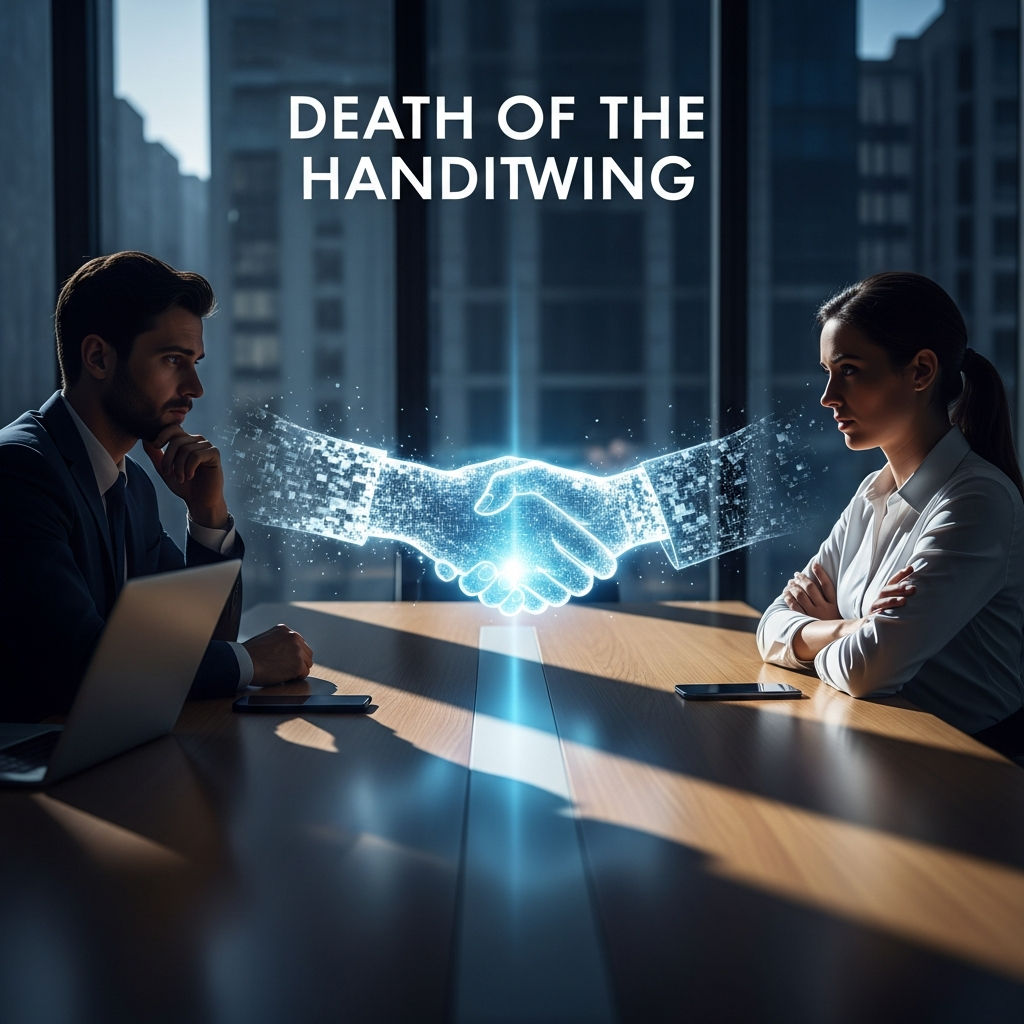
The Death of the Handshake: How Zoom Nuked Trust in Professional Networks
For centuries, the handshake was the ultimate biological “smart contract.” It was a gesture that signaled peace, closed deals, and established a visceral bond between two people. In the professional world, a firm grip was more than a greeting; it was a data exchange of pheromones, strength, and eye contact that built immediate rapport. Then came 2020, and the world moved to the “Join Meeting” button.
While video conferencing tools like Zoom, Microsoft Teams, and Google Meet saved the global economy from a total standstill, they inadvertently hollowed out the foundation of professional networking: trust. As we settle into a permanent era of remote and hybrid work, we are beginning to realize that “digital-first” networking isn’t just different—it’s structurally deficient. Here is how the rise of Zoom has nuked the traditional pillars of professional trust and what it means for the future of your career.
The Neurobiology of the Missing Touch
Humans are biologically wired for physical presence. When we meet someone in person, our brains perform a complex series of calculations. Research has shown that a simple handshake triggers the release of oxytocin, the “bonding hormone,” which lowers cortisol and fosters a sense of security. This chemical bridge is what allows us to feel we “know” someone after only a few minutes.
On Zoom, this biological handshake is non-existent. We are relegated to a 2D box. The lack of physical presence means our brains stay in a state of high alert. Without the subtle cues of body language, scent, and shared physical space, the “trust engine” of the human brain fails to ignite. We aren’t building a bond; we are simply processing information.
The “Uncanny Valley” of Virtual Eye Contact
In a face-to-face meeting, eye contact is the primary currency of honesty. However, Zoom creates a psychological paradox. To look someone in the “eye” on a video call, you must look at the camera lens. But to see their reaction, you must look at their image on the screen. Consequently, it is mathematically impossible to maintain true mutual eye contact on a standard laptop setup.
- Micro-expressions: High-definition cameras still fail to capture the subtle facial twitches that signal sincerity or hesitation.
- The Lag Factor: Even a 150-millisecond delay in audio can lead us to perceive the person on the other end as less friendly or less focused, even if the delay is purely technical.
- The Self-View Distraction: We spend a significant portion of virtual meetings looking at ourselves, leading to increased self-consciousness and decreased empathy for the other party.
The Death of the “Hallway Track”
Trust in professional networks is rarely built during the formal presentation. It is built in the “hallway track”—those unscripted moments before a meeting starts, the walk to the elevator, or the casual conversation over coffee. These “low-stakes” interactions allow professionals to see each other as humans rather than just job titles.
Zoom has effectively nuked these moments. Virtual meetings are hyper-transactional. They have a start time, an agenda, and a “Leave Meeting” button that ends the interaction with a violent click. There is no lingering, no “dropping by the desk,” and no serendipity. This shift toward the transactional makes it incredibly difficult to move a professional relationship from “acquaintance” to “trusted ally.”
The Rise of the “Transactional Professional”
Because virtual networking feels less personal, it has become more disposable. In the era of the handshake, ghosting a professional contact felt like a social transgression. In the era of Zoom, it’s just another ignored notification. The ease of connecting digitally has led to a “quantity over quality” mindset.
When networking becomes a numbers game played through LinkedIn messages and 15-minute Zoom intros, the depth of trust diminishes. We are building wider networks but shallower ones. This lack of depth makes professional ecosystems more fragile; when economic headwinds hit, these weak digital ties are the first to snap.
Zoom Fatigue and the Erosion of Empathy
Building trust requires energy. “Zoom fatigue” is a well-documented phenomenon caused by the intense cognitive load of processing non-verbal cues over a screen. When we are exhausted, our capacity for empathy and active listening—the two core components of trust—plummets.
By the time a professional reaches their fifth Zoom call of the day, they aren’t looking to build a relationship; they are looking to survive the hour. This “survival mode” communication leads to shorter tempers, less patience, and a “just get to the point” attitude that is antithetical to the slow-cooked process of building long-term professional trust.
Can We Rebuild Trust in a Post-Handshake World?
The handshake may be in decline, but the need for trust is higher than ever. To thrive in a digital-first world, professionals must find ways to bridge the “trust gap” that Zoom has created. Here is how to adapt:
1. Prioritize “High-Fidelity” Interactions
If a relationship is critical, Zoom should only be the starting point. Professionals must intentionally schedule in-person meetups, even if they require travel. One dinner or one “real” handshake can sustain a digital relationship for a year. The physical “deposit” into the trust bank is that powerful.
2. Master the “Digital Handshake”
Since we can’t touch, we must over-index on other trust signals. This includes:
- Extreme Reliability: In a world of digital ghosts, doing exactly what you say you will do becomes the new handshake.
- Video Etiquette: Invest in high-quality lighting and audio to reduce the “uncanny valley” effect and make interactions feel more natural.
- Radical Transparency: Because we can’t read body language well, we must be more verbal about our intentions and feelings.
3. Create “Slack” for Serendipity
Managers and networkers should build “unstructured time” into virtual calls. Spending the first ten minutes of a call talking about anything but the agenda isn’t a waste of time—it is the digital equivalent of the hallway walk. It’s where the trust is built.
Conclusion: The Premium on Presence
Zoom didn’t kill networking, but it did change the “gold standard” of professional interaction. In the coming years, we will see a massive “flight to quality.” As the world becomes more saturated with AI-generated emails and 2D video calls, the value of physical presence, a firm handshake, and face-to-face eye contact will skyrocket.
The professionals who understand that Zoom is a tool for maintenance, but in-person interaction is the tool for creation, will be the ones who command the highest levels of trust in their industries. The handshake isn’t just a greeting; it’s a competitive advantage.
“`